

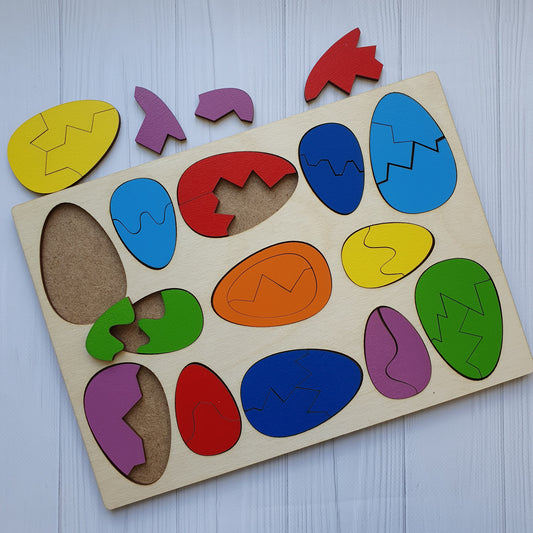
Numbers a child can pick up, move, and put back in the wrong place to see what happens. Every material here turns a maths idea into an object with weight and edges: thirteen eggs that fit only their own sockets, wooden circles that sit on a tree in whatever arrangement a card shows, a watermelon cut into countable segments.
-
Rainbow Egg Puzzle – Part-Whole & Size Sorting Tool | 13pc
Regular price €32,00Regular price -
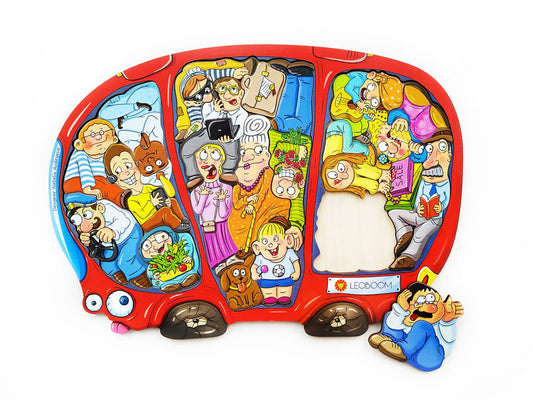
Wooden Bus Puzzle – Attention, Memory & Language Tool
Regular price €29,00Regular price -
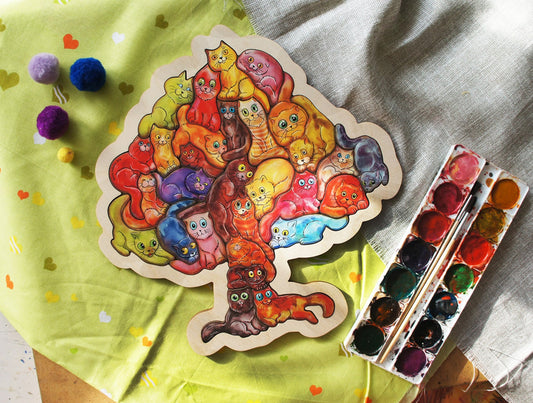
Wooden Cat Tree Puzzle – Sorting, Logic & Language Tool
Regular price €32,00Regular price -
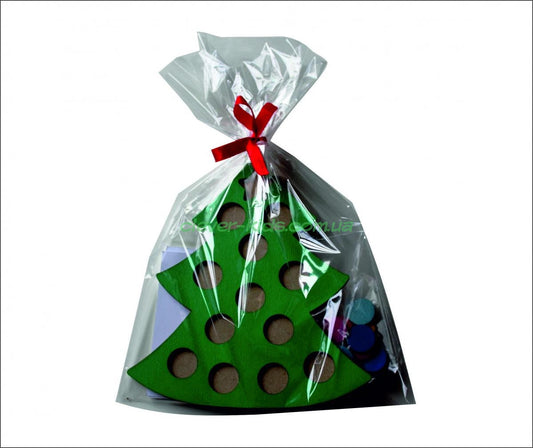
Wooden Montessori Christmas Tree Set — Math & Creative Arts Toy
Regular price €19,25Regular price -
Wooden Montessori Math Christmas Tree — Counting & Fine Motor Toy
Regular price €18,00Regular price -
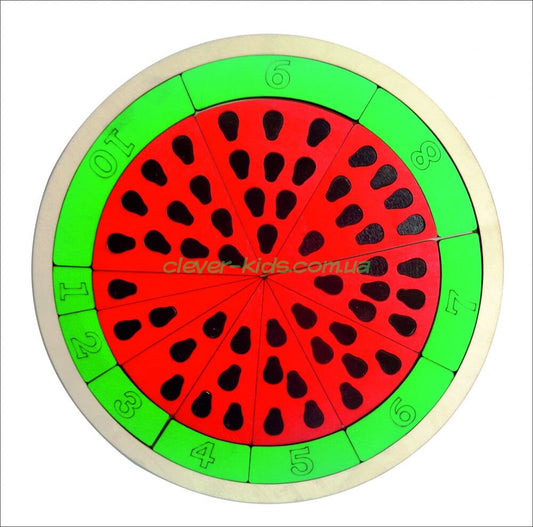
Watermelon Counting Puzzle – Math Therapy Tool for Toddlers
Regular price €31,00Regular price -
Montessori Sorting Therapy Set – Fine Motor & Cognition | 6M+
Regular price €37,00Regular price








Montessori classrooms and occupational therapy rooms reach for wooden math toys for one reason. A child who has handled quantity understands it differently from a child who has only seen it written down. The counting starts in the hands and moves to the page later, which is also why these work for a child who stalls on worksheets.
Choose by where the child is
Just starting to count. The Watermelon Counting Puzzle gives segments to count, lift out and put back. Small enough numbers that a child can check their own answer by looking, which is what makes counting stick.
Sorting before counting. The Montessori Sorting Therapy Set starts as object permanence for a baby and becomes a sorting task later. Grouping by one property comes before counting a group, and this is where that begins.
Part and whole. The Rainbow Egg Puzzle has thirteen eggs in two sizes, each cut into two or three pieces. A finished tray means holding shape, size and colour in mind at once, which is the first real taste of a problem with several conditions.
Reading several attributes at once. The Cat Tree Puzzle and the Bus Puzzle hide their maths in the figures: striped or spotted, large or small, one animal among the people, one passenger without a ticket. Sorting them is a problem solving task before it is a counting one.
Copying a pattern from a card. The Math Christmas Tree asks a child to reproduce an arrangement exactly. Matching a model is the quiet skill underneath place value later on.
Counting alongside drawing. The Christmas Tree Set runs eight activities across counting, tracing and painting, useful when a child will do maths as long as it does not look like maths.
Why hands come before worksheets
A worksheet tells a child whether they were right. An object shows them why. When the last egg has nowhere to go, the child sees the mistake three steps back without an adult naming it, and goes back to fix it themselves. That loop, error to correction without a correction being handed down, is what builds the willingness to sit with a hard problem later.
Working with it
Count out loud slower than feels natural, and let the child move the piece rather than moving it for them. Resist finishing the last one. When a child asks whether it is right, ask what they think first: the answer is usually in front of them, and finding it there is the whole exercise.
For adult-led work: counting and lifting out segments suits a child from around 2, matching an arrangement to a card from 3 to 4, and part-whole work with the eggs from around 4. These are tools for sessions with an adult, not toys to hand over and walk away from.